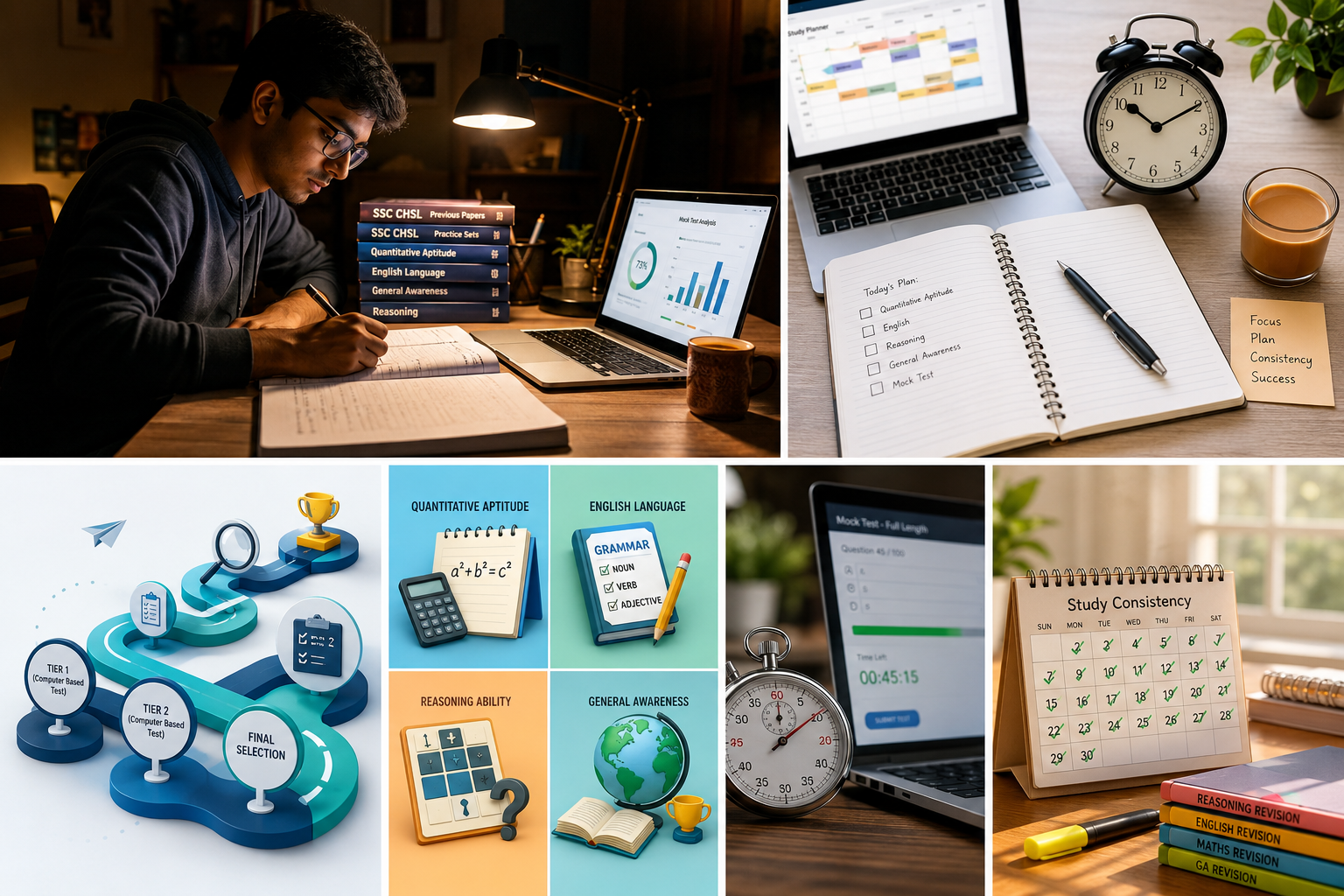
Introduction: Your Roadmap to SSC CHSL 2026 Success
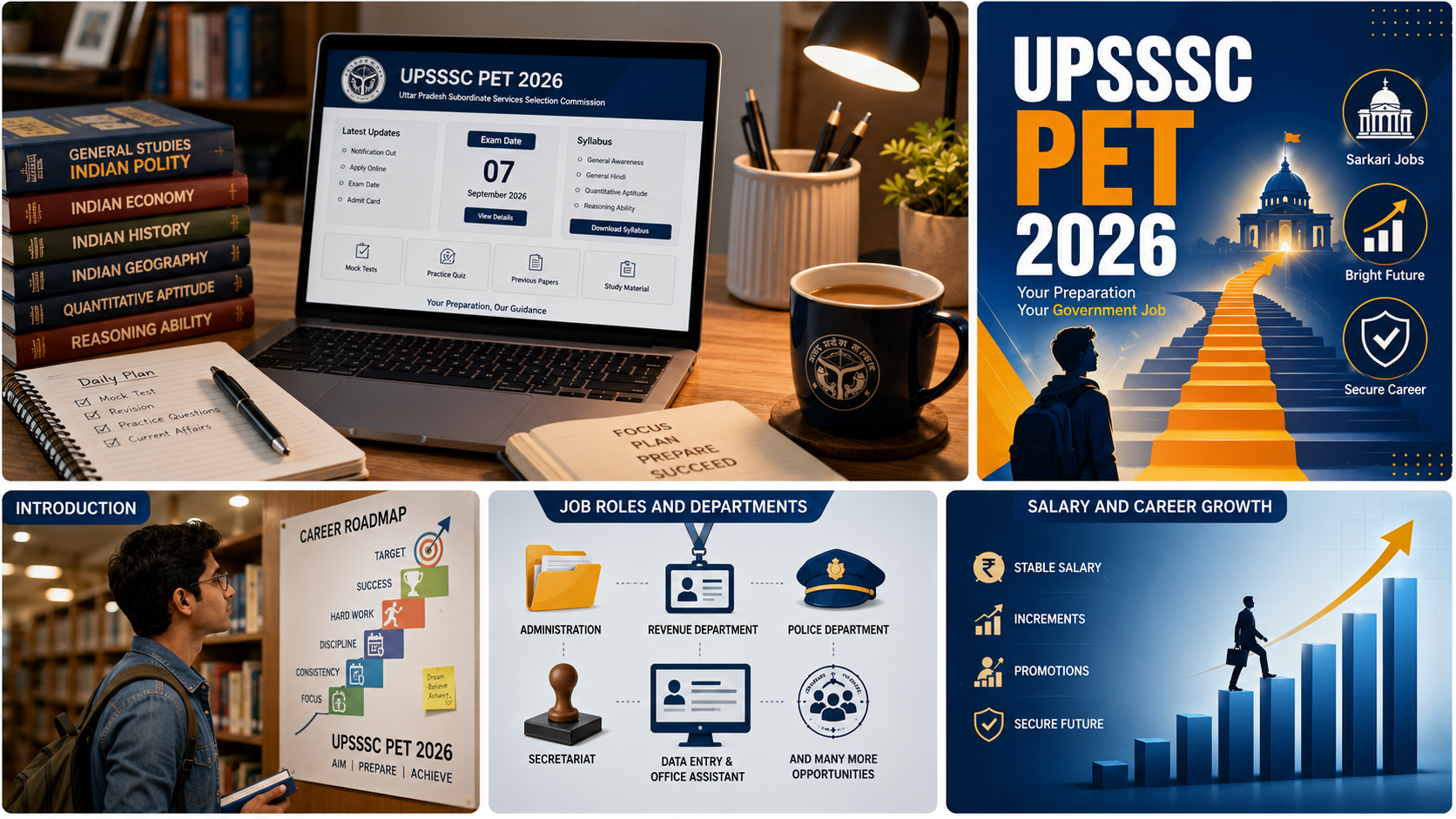
The Staff Selection Commission Combined Higher Secondary Level (SSC CHSL) examination is a pivotal gateway for countless Indian government job aspirants. It offers a golden opportunity to secure esteemed positions like Lower Divisional Clerk (LDC), Junior Secretariat Assistant (JSA), Postal Assistant (PA), Sorting Assistant (SA), and Data Entry Operator (DEO) in various Ministries and Departments of the Government of India.
Securing a position through CHSL not only guarantees job security and a respectable salary but also opens doors to a fulfilling public service career. With the 2026 examination cycle on the horizon, now is the opportune moment to embark on a strategic and early re your success.
Why SSC CHSL Matters
- Diverse Career Opportunities: CHSL provides entry into various central government departments, offering a wide range of roles.
- Job Security & Benefits: Government jobs are renowned for their stability, competitive salaries, allowances, and comprehensive benefits.
- Career Growth: Successful candidates can look forward to promotions and career advancement opportunities within their respective departments.
- Contribution to Nation Building: Working in government allows you to contribute directly to public service and national development.
Setting Your Goal for 2026
Success in SSC CHSL 2026 requires more than just hard work; it demands a well-thought-out strategy and consistent effort. By starting early, you gain a significant advantage, allowing ample time to cover the extensive syllabus, practice thoroughly, and refine your approach. This guide will serve as your blueprint to navigate the complexities of the examination and achieve your goal.
Understanding the SSC CHSL 2026 Exam: Pattern & Syllabus
A thorough understanding of the SSC CHSL exam pattern and syllabus is the cornerstone of effective preparation. The examination is typically conducted in two tiers: Tier-I (Computer Based Examination) and Tier-II (Computer Based Examination with Skill Test/Typing Test). Let's break down each stage.
Tier-I: The Objective Test
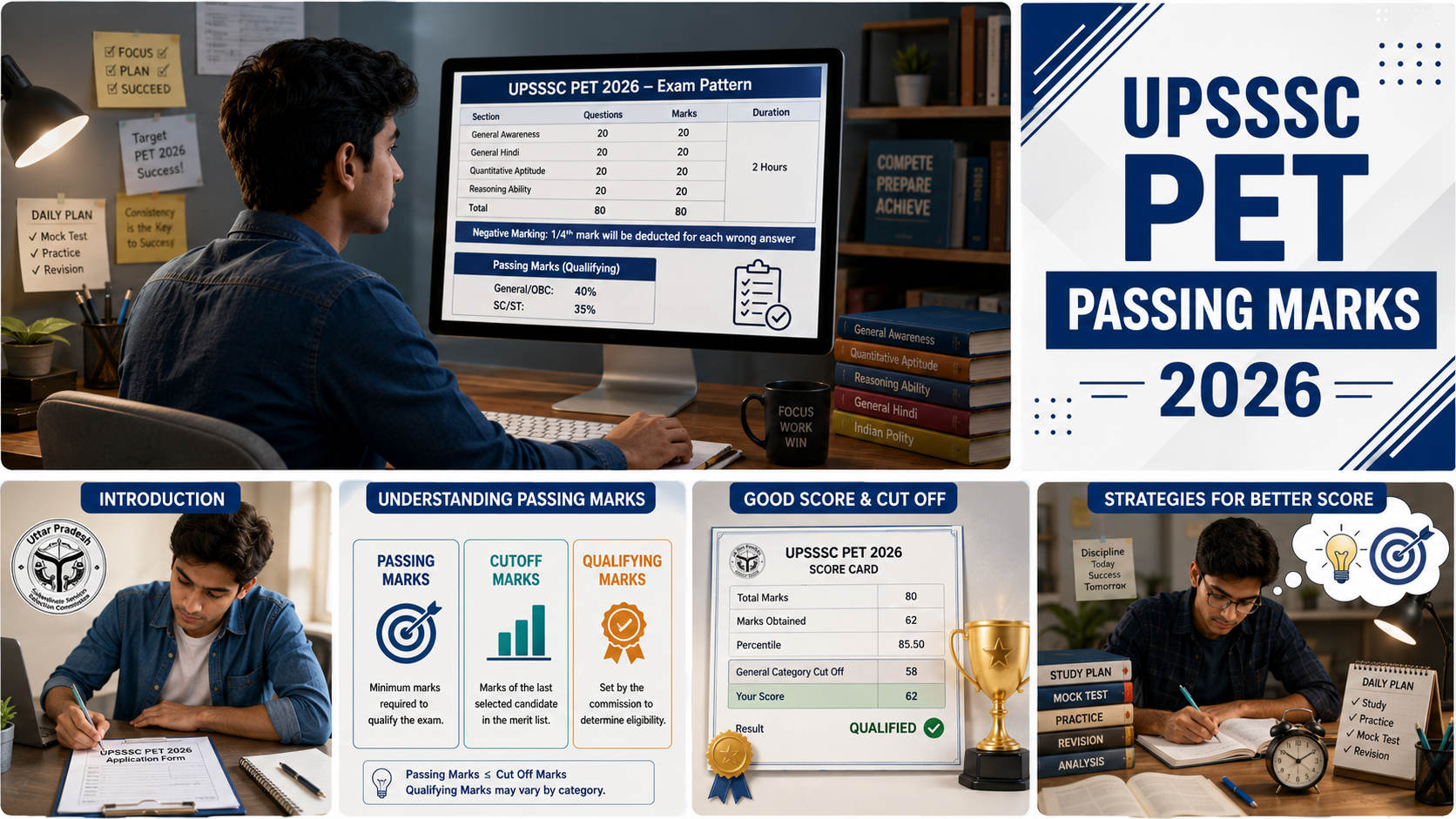
Tier-I is an objective-type computer-based examination designed to assess your fundamental knowledge across four key subjects. Here's a detailed breakdown:
- Sections: General Intelligence, English Language (Basic Knowledge), Quantitative Aptitude (Basic Arithmetic Skill), General Awareness.
- Number of Questions: 25 questions in each section, totaling 100 questions.
- Maximum Marks: 50 marks for each section, totaling 200 marks.
- Negative Marking: 0.50 marks deducted for each incorrect answer.
- Duration: 60 minutes (1 hour). For candidates availing scribe, 80 minutes.
Tier-II: The Advanced Stage
Tier-II is also a computer-based examination, comprising multiple modules and a Skill Test/Typing Test, depending on the post. This tier is more comprehensive and tests both your advanced subject knowledge and practical skills.
Session-I (Module-I, Module-II, Module-III of Section-III)
- Section-I:
- Module-I: Reasoning & General Intelligence (30 Questions, 90 Marks)
- Module-II: English Language & Comprehension (40 Questions, 120 Marks)
- Module-III: Quantitative Aptitude (30 Questions, 90 Marks)
- Section-II:
- Module-I: General Awareness (20 Questions, 60 Marks)
- Module-II: Computer Knowledge Module (15 Questions, 45 Marks)
Session-II (Skill Test/Typing Test)
- Section-III:
- Module-I: Skill Test/Typing Test (Qualifying in nature)
The Skill Test/Typing Test is mandatory for all posts and is qualifying in nature. Detailed requirements vary by post (DEO, LDC/JSA, PA/SA).
Detailed Syllabus Overview
It is imperative to thoroughly understand the official syllabus to streamline your preparation. While we provide highlights here, we strongly recommend referring to the official SSC notification for the complete syllabus. For a more detailed breakdown, you can visit our Detailed SSC CHSL Syllabus 2026 page.
- General Intelligence: Semantic Analogy, Symbolic Operations, Symbolic/Number Analogy, Trends, Figural Analogy, Space Orientation, Semantic Classification, Venn Diagrams, Symbolic/Number Classification, Drawing Inferences, Figural Classification, Punched hole/pattern-folding & unfolding, Semantic Series, Figural Pattern-folding and completion, Number Series, Embedded figures, Figural Series, Critical Thinking, Problem Solving, Emotional Intelligence, Word Building, Social Intelligence, Coding and de-coding, Numerical Operations, Other sub-topics.
- English Language: Spot the Error, Fill in the Blanks, Synonyms, Antonyms, Spellings/Detecting misspelt words, Idioms & Phrases, One word substitution, Improvement of Sentences, Active/Passive Voice of Verbs, Conversion into Direct/Indirect narration, Shuffling of Sentence parts, Shuffling of Sentences in a passage, Cloze Passage, Comprehension Passage.
- Quantitative Aptitude:
- Arithmetic: Number Systems, Fundamental arithmetical operations (Percentage, Ratio & Proportion, Square roots, Averages, Interest, Profit & Loss, Discount, Partnership Business, Mixture and Alligation, Time and distance, Time & Work).
- Advanced Maths: Algebra (Basic algebraic identities, Graphs of Linear Equations), Geometry (Triangles, Quadrilaterals, Circles), Mensuration (Triangle, Quadrilateral, Regular Polygons, Circle, Right Prism, Right Circular Cone, Right Circular Cylinder, Sphere, Hemisphere), Trigonometry (Trigonometric Ratios, Complementary angles, Height and distances), Statistical Charts (Bar diagram, Pie chart, Histograms, Frequency polygon).
- General Awareness: Questions are designed to test the candidates general awareness of the environment around him and its application to society. It includes questions relating to India and its neighboring countries, especially pertaining to History, Culture, Geography, Economic Scene, General Policy & Scientific Research.
- Computer Knowledge Module: Computer Basics, Software (MS Word, MS Excel, PowerPoint), Working with Internet and E-mail, Basics of Networking & Cyber Security.
Emphasize the necessity of thoroughly understanding the official syllabus and latest exam pattern for focused preparation.
Section-wise Preparation Strategies for Tier-I & Tier-II
A targeted approach for each section is crucial for maximizing your scores. Here's how to strategize for both tiers:
General Intelligence & Reasoning: Sharpen Your Logic
This section tests your analytical ability and problem-solving skills. Consistent practice is key.
- Focus Areas: Pay special attention to visual reasoning, analogies (semantic, number, figural), series (number, figural), and coding-decoding.
- Daily Practice: Dedicate specific time daily to practice diverse question types. Start with easy questions and gradually move to more complex ones.
- Pattern Recognition: Learn to identify common patterns in series and analogies.
- Time Management: Practice solving questions quickly and accurately to save time for other sections.
English Language: Build Vocabulary & Grammar
Proficiency in English is essential, not just for the exam but also for your career. Focus on building a strong foundation.
- Vocabulary Building: Create a daily routine for learning new words. Use flashcards, mobile apps, and read newspapers/magazines. Focus on synonyms, antonyms, and idioms & phrases.
- Grammar Rules: Master fundamental grammar rules (tenses, active/passive voice, direct/indirect speech, prepositions, conjunctions). Practice sentence correction and error spotting exercises regularly.
- Reading Comprehension: Improve reading speed and comprehension by reading diverse articles, editorials, and short stories. Practice answering questions based on passages.
- Practice: Solve previous year's questions for all English topics to understand question patterns.
Quantitative Aptitude: Master Problem Solving
This section requires a strong grasp of mathematical concepts and the ability to apply them efficiently.
- Conceptual Clarity: Ensure a clear understanding of every topic, both arithmetic (percentage, profit-loss, time & work, ratio) and advanced maths (algebra, geometry, mensuration). Don't just memorize formulas; understand their derivation.
- Practice Shortcuts: Learn and practice Vedic Maths techniques and other quick calculation methods to improve speed.
- Accuracy: Focus on solving problems accurately. Speed without accuracy is counterproductive.
- Topic-wise Practice: After understanding a concept, solve a variety of questions related to that topic.
General Awareness: Stay Informed
This section is vast and requires consistent effort to cover. Divide your preparation into Current Affairs and Static GK.
- Current Affairs: Read daily newspapers (e.g., The Hindu, The Indian Express), follow reputable news channels, and refer to monthly current affairs digests. Focus on national and international events, government schemes, awards, sports, and important dates. You can find daily updates on our Daily Current Affairs for Government Exams section.
- Static GK: Cover essential topics from History (Ancient, Medieval, Modern India), Geography (Indian & World), Indian Polity (Constitution, Preamble, Fundamental Rights), Economics (Basic concepts, Five-Year Plans), and General Science (Physics, Chemistry, Biology). Use reliable textbooks and online resources.
Computer Knowledge & Skill Test: The Final Steps
These modules are crucial, especially for Tier-II, and often overlooked.
- Computer Knowledge: Study basic computer fundamentals, including hardware, software, operating systems, and networking. Gain proficiency in MS Office (Word, Excel, PowerPoint) as questions often test practical application.
- Skill Test (Typing Test): For Data Entry Operator (DEO) and Lower Divisional Clerk (LDC) posts, typing speed and accuracy are paramount. Start practicing early on a good quality keyboard. Aim for a consistent typing speed of 35 wpm for LDC/JSA and 15000 key depressions per hour for DEO, with high accuracy. Regular practice is the only way to improve.
Effective Study Techniques & Recommended Resources
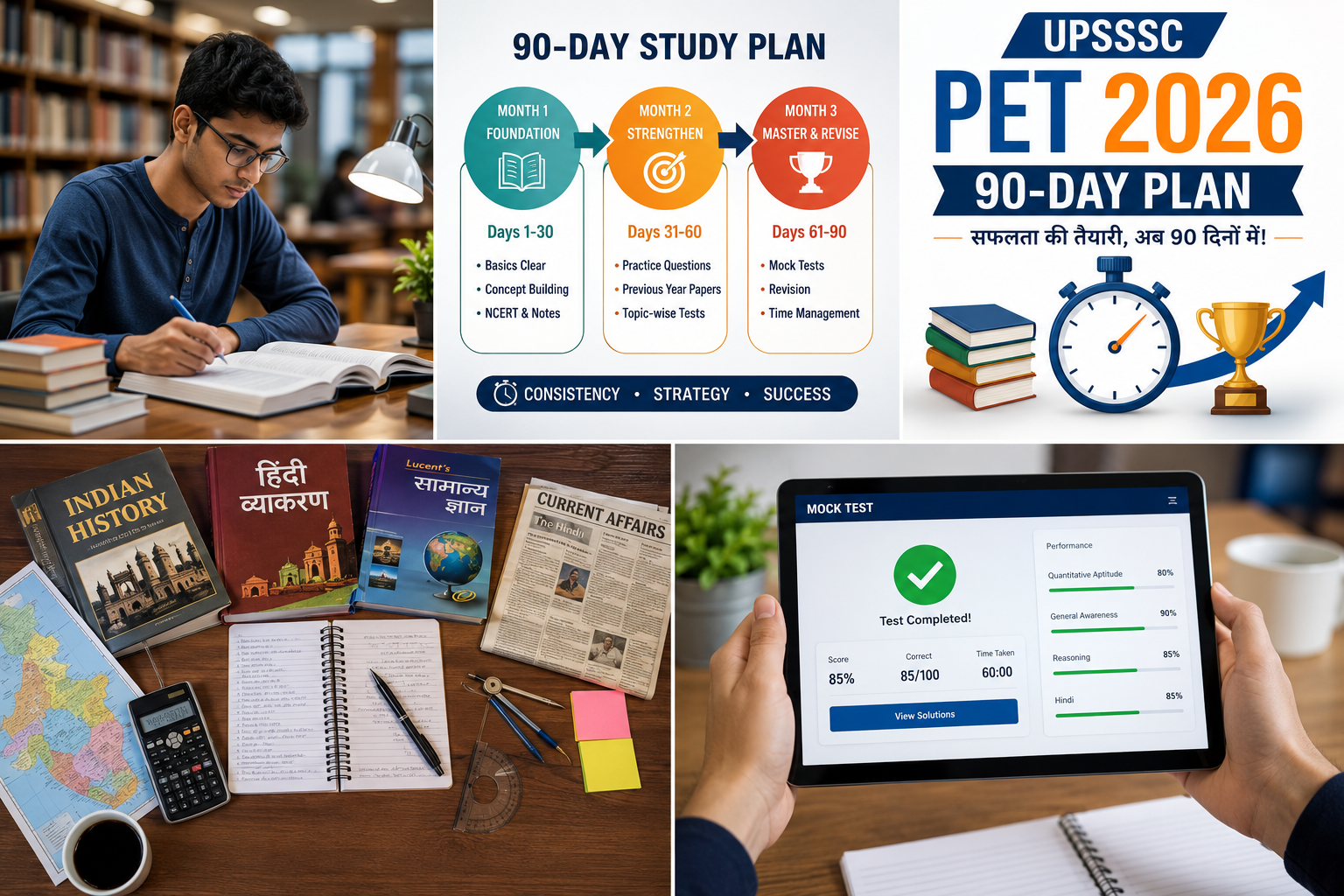
Beyond knowing the syllabus, how you study makes all the difference. Adopt smart study techniques to optimize your preparation.
Crafting a Realistic Study Plan
A well-structured study plan acts as your personal roadmap to success.
- Daily/Weekly Timetable: Create a realistic timetable that allocates sufficient time for each subject.
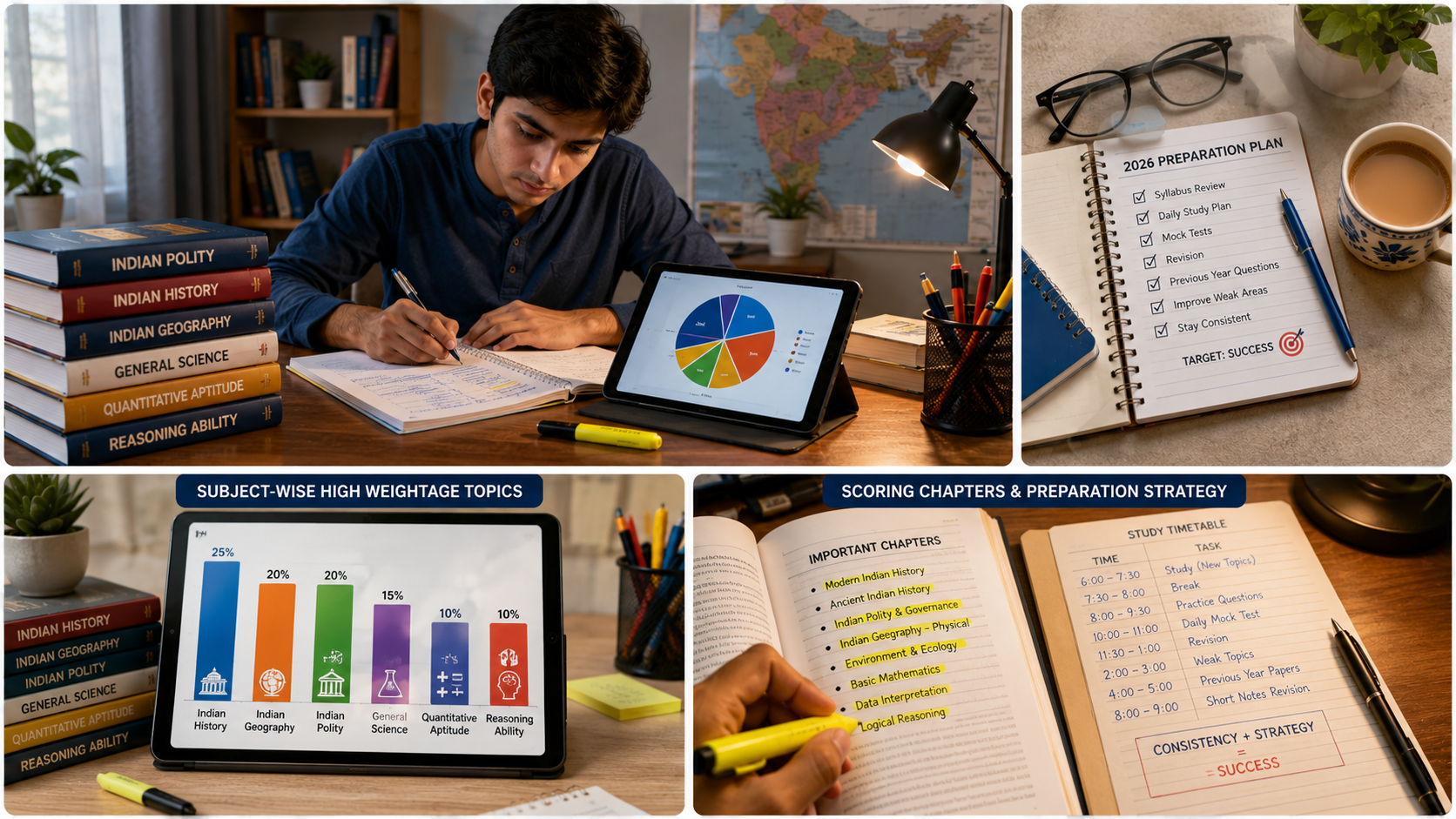
- Prioritization: Allocate more time to subjects or topics where you are weak or which carry higher weightage in the exam.
- Flexibility: Be flexible with your plan. Adjust it based on your progress and evolving needs.
- Breaks: Incorporate short breaks to avoid burnout and maintain focus.
The Power of Mock Tests & Previous Year Papers
These are indispensable tools for exam preparation.
- Mock Tests: Regularly take full-length mock tests to simulate exam conditions. This helps in improving speed, accuracy, and time management. After each mock, thoroughly analyze your performance to identify weak areas and conceptual gaps. Examorbit offers comprehensive SSC CHSL Mock Test Series.
- Previous Year Papers: Solve SSC CHSL previous year papers diligently. This helps you understand the exam trends, question patterns, difficulty level, and important topics. You can find them on our SSC CHSL Previous Year Papers & Solutions page.
Smart Note-Taking & Revision Strategies
Effective note-taking and revision are crucial for long-term retention.
- Concise Notes: Make short, crisp notes while studying, focusing on key formulas, concepts, facts, and tricky points.
- Flashcards: Use flashcards for vocabulary, formulas, historical dates, and scientific facts.
- Active Recall: Instead of passively rereading, actively try to recall information. Quiz yourself regularly.
- Spaced Repetition: Review topics at increasing intervals to strengthen memory and retention.
Essential Study Resources
Choosing the right resources is critical for quality preparation.
- Textbooks: Refer to standard textbooks for each subject. For Quantitative Aptitude, R.S. Aggarwal or M. Tyra are popular choices. For English, Wren & Martin for grammar and S.P. Bakshi for objective English. For General Awareness, Lucent's General Knowledge is widely recommended. For detailed recommendations, visit our Best Books for SSC CHSL Preparation guide.
- Online Learning Platforms: Utilize platforms like Examorbit for video lectures, practice questions, mock tests, and current affairs updates.
- Current Affairs Sources: Daily newspapers, reputable news websites, and monthly current affairs magazines.
Time Management and Cultivating a Winning Mindset
Success in competitive exams is as much about mental fortitude and efficient time management as it is about knowledge.
Optimizing Your Study Schedule
- Prioritizing Topics: Based on exam weightage and your strengths/weaknesses, prioritize topics to allocate study time effectively.
- Setting Realistic Targets: Break down your study goals into daily or weekly targets. Achieving these small goals builds momentum and confidence.
- Avoiding Procrastination: Tackle difficult topics first. Use techniques like the Pomodoro method to stay focused and beat procrastination.
Stress Management & Well-being
A healthy mind and body are essential for sustained preparation.
- Breaks and Recreation: Incorporate short breaks during study sessions and dedicate time for hobbies or recreational activities.
- Physical Activity: Engage in light physical activity or exercise for at least 30 minutes daily to reduce stress and improve concentration.
- Adequate Sleep: Ensure 7-8 hours of quality sleep every night. Lack of sleep can impair cognitive functions.
- Balanced Diet: Maintain a healthy and balanced diet to fuel your brain and body.
Exam Day Strategies
The final few hours before and during the exam are crucial.
- Stay Calm: Avoid last-minute cramming. Trust your preparation and stay calm.
- Read Instructions Carefully: Before attempting any question, read all instructions thoroughly.
- Time Management per Section: Allocate time for each section based on its weightage and your comfort level. Do not spend too much time on a single question.
- Attempt Strategically: Start with questions you are confident about. Mark questions for review and return to them later if time permits. Avoid blind guessing due to negative marking.
Conclusion: Your Path to a Fulfilling Government Career
The journey to cracking SSC CHSL 2026 demands consistent effort, a meticulously defined strategy, and unwavering perseverance. By starting your preparation early, understanding the exam's nuances, and implementing the strategies outlined in this guide, you are already on the right track.
Embark on this preparation journey with dedication and optimism. Remember, every hour of study, every mock test taken, and every concept mastered brings you closer to your dream. The rewarding career opportunities that await successful candidates in various government departments are well worth the effort.
Believe in your potential, stay focused, and let Examorbit be your trusted companion in achieving SSC CHSL 2026 success!